Blogs
Nepal trekking Guide Essentials
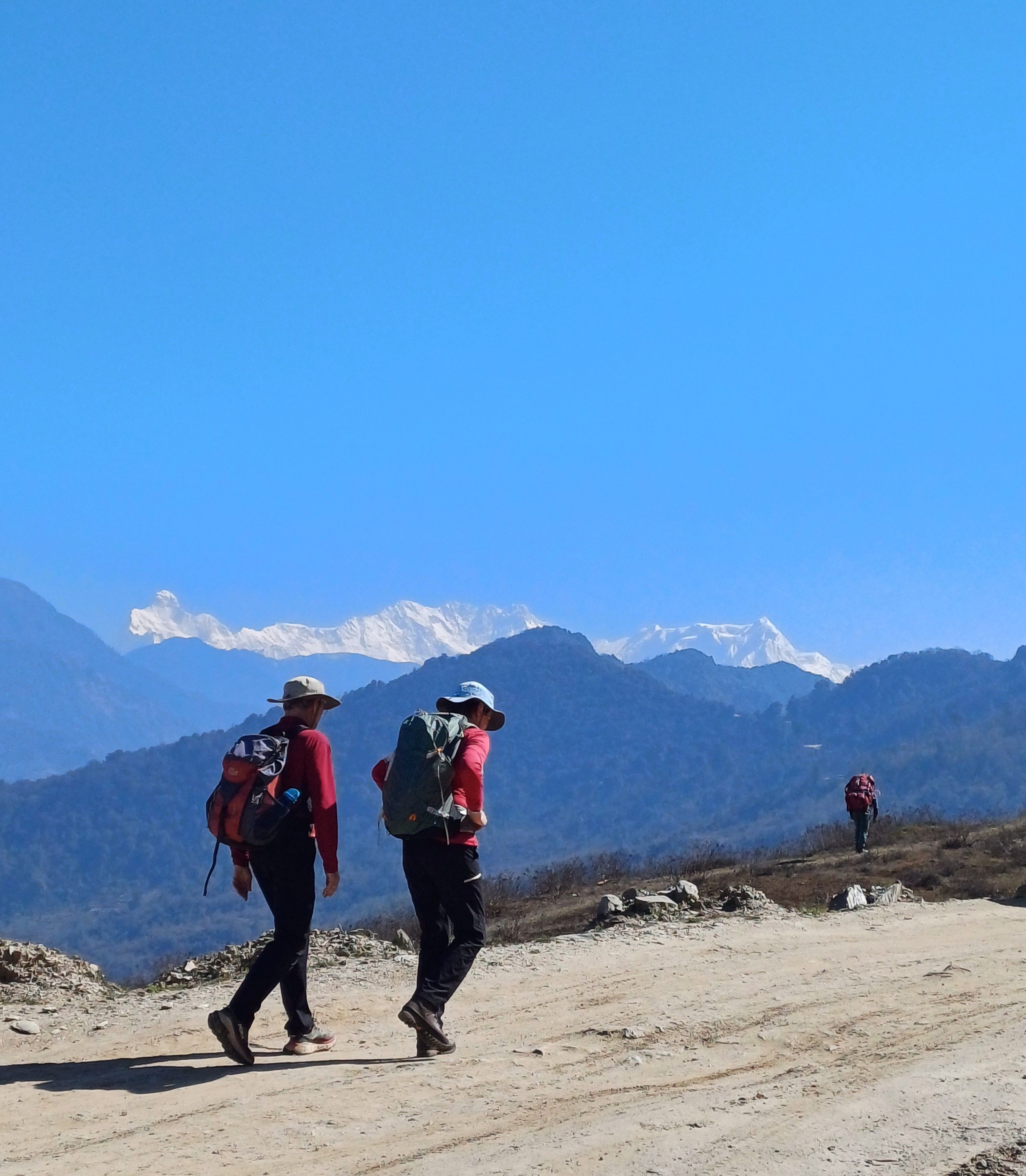
Best Time to Trek
Autumn (September to November) and spring (March to May) are the best seasons for trekking in Nepal. These months offer the most reliable weather, clear mountain views and comfortable temperatures. Autumn is especially popular for its excellent visibility, whereas spring is known for blooming flowers and warmer, longer days.
Is it possible to trek during the monsoons?
Trekking during Nepal’s monsoon season (June to August) is possible and provides a unique, lush, and quiet experience. While popular low-altitude trails may be muddy and infested with leeches, it is recommended to trek in rain-shadow regions such as Upper Mustang, Nar Phu Valley, and Dolpo, where rainfall is minimal.
How cold does it get in winter?
From December to February, temperatures above 3,000 to 4,000 m in the Nepalese Himalayas can drop to -10 to -20°C at night. During sunny days, the temperatures may reach 10–15°C. Lower altitudes are milder, but high passes can be impassable because of heavy snow.
How difficult is the trek?
Trekking in Nepal ranges from moderate to extremely challenging, depending on the route, elevation, and trek duration. Short treks such as Poon Hill, Mardi Himal, Annapurna Base Camp, Everest Panoramic View, Gokyo Lake, Upper Mustang, Langtang Valley, and Pikey Peak are ideal for beginners. More demanding treks, such as Everest Base Camp, Manaslu Circuit, Cho La Pass, Renjo Pass, and Annapurna Circuit, require fitness and preparation for 5–7 hours of hiking daily.
How much does the trek cost?
Trekking in Nepal usually costs between $1,000 and $3,500 or more per person, depending on the route, duration, and the level of service.
How much extra money should I bring?
For a 10–15-day trek, bring $300–$500 in cash. You can change half of the money into Nepali Rupees and keep the rest in USD or Euros for extra expenses not included in your package, such as drinks, snacks, charging fees, and crew tips. Maintain an emergency fund of $200–$300 USD for unexpected costs.
What permits are required?
The permit requirements depend on the trek and region. Common permits include:
-
TIMS Card (Trekkers’ Information Management System): Required for popular treks such as Annapurna Circuit, Everest Base Camp, and Langtang. It is used for safety and conservation tracking.
-
National Park or Conservation Area Permits: Required for protected areas such as
-
Annapurna Conservation Area Permit (ACAP)
-
Sagarmatha National Park Permit (Everest region)
-
Langtang National Park Permit
-
Manaslu Conservation Area Permit
-
-
Restricted Area Permits: Required for Upper Mustang, Dolpo, Manaslu, Naar Phu, and Kanchenjunga. These have higher fees and are issued by authorized agencies.
-
Local Permits: Some areas may require additional local permits or fees.
To obtain permits:
-
Apply through authorized trekking agencies or the Nepal Tourism Board.
-
Carry the original permits during your trek for checkpoint inspections.
-
Fees vary according to the permit type and duration.
-
Confirm the exact permit requirements for your trek before travelling.
Is a guide compulsory?
As of April 1, 2023, a licensed guide is required for most trekking regions in Nepal. Solo trekking (FITs) in national parks and conservation areas is no longer allowed to ensure safety and provide emergency support.
What is the weight limit for the porters?
Porters in Nepal typically carry a maximum of 25–30 kg, ensuring their safety on difficult terrain and at high altitudes.
What are teahouses like?
Teahouses are basic lodges or guesthouses along trekking routes, such as the Annapurna Circuit and Everest Base Camp. They offer simple rooms with basic amenities, and bathrooms may be shared or private. Hot water is limited, and the furniture is simple. Meals are a mix of local and Western dishes, with tea being the staple beverage.
Is there WiFi?
WiFi is generally available in popular trekking areas, such as the Annapurna Circuit, Everest Base Camp, and Langtang Valley. Most teahouses and lodges offer Wi-Fi, but the quality and speed vary by location and altitude. In remote or higher areas, connectivity may be slow or unreliable. Mobile network coverage is also available in many trekking regions as an alternative.
Contact Us
Bouddha, Kathmandu, Nepal
9851082016
info@belmontadventure.com