Trip Packages
Everest Heli Tour
From
$2650
Duration
10 Days
Difficulty
Easy
Type
City Tour & Sight Seeing
Overview
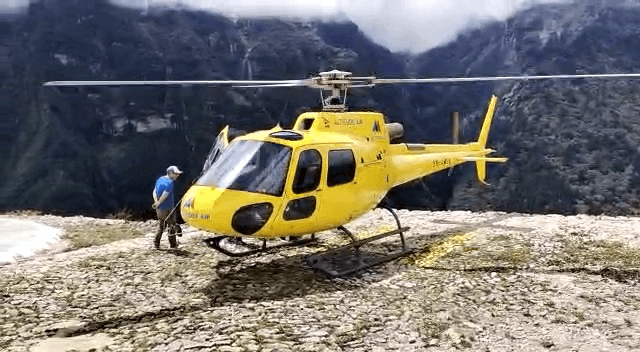
Flying over the Himalayas, especially Everest, provides a better view of the world's highest mountain. Whether it's June, July, or August, the flights offer us a range of mountain vistas. The flight takes you close to some of the world's highest peaks. Only a few domestic airlines travel to Everest. All flights leave Kathmandu and head east, crossing the Himalayas. Shisha Pangma (8,013m) in Tibet. Three gigantic snow-covered figures of 8 loom above the Kathmandu valley: Dorje Lhakpa, Langtang Lirung, and Ama Dablam.
In Nepal, a helicopter tour is one of the most efficient and convenient ways to see the country's breathtaking Himalayan landscapes. Those who want to see more in a shorter period can take advantage of this unique chance to see more in a single day in the mountainous area. The Nepal Helicopter Tour will allow you to experience the country above the towering Himalayas. The helicopter tour in Nepal begins in Kathmandu and concludes at the location of your preference.
Itinerary
Upon arrival at Tribhuvan International Airport in Kathmandu, a representative will meet you and escort you to your hotel. That evening, a pre-trip meeting will take place, during which you will be introduced to your trekking guide and have the opportunity to ask any questions regarding the upcoming adventure.
Exploring Kathmandu involves visiting the valley's four UNESCO World Heritage Sites: Kathmandu Durbar Square, Swayambhunath (Monkey Temple), Pashupatinath Temple, and Boudhanath Stupa. This experience is often complemented by a trip to the ancient cities of Bhaktapur or Patan, where one can admire the magnificent Durbar Squares, wander through vibrant markets like Thamel, and immerse themselves in traditional Nepali culture.
The Kathmandu to Lukla excursion typically starts with an early morning flight lasting approximately 35 minutes, landing at Lukla Airport, which serves as the main gateway to the Everest region. Upon arrival, visitors often explore Lukla village, which is the starting point for treks toward Everest Base Camp and other nearby destinations. The village offers basic amenities, local culture, and opportunities to acclimatize before continuing trekking activities.
The Lukla to Phakding itinerary, as Day 1 of most Everest treks, involves a relatively easy 3-4 hour, 8 km downhill walk from Lukla (2,860m) to Phakding (2,610m). This segment offers gentle terrain suitable for acclimatization and includes opportunities for sightseeing, such as views of the Dudh Koshi River, local villages, and surrounding Himalayan landscapes. The gradual descent helps trekkers adjust to altitude while experiencing Sherpa culture and natural scenery.
The Phakding to Namche Bazaar trek, as the second day of an Everest Base Camp journey, involves a moderate to strenuous 5-6 hour hike covering 10.8 km. The elevation gain from 2,650m to 3,440m requires acclimatization and physical readiness. Key features include crossing suspension bridges over the Dudh Koshi River, passing through traditional Sherpa villages that offer cultural insights, and navigating a challenging final steep incline before reaching Namche Bazaar. Permits are mandatory for this section, and trekkers are rewarded with panoramic views of prominent peaks such as Thamserku.
Namche Bazaar offers a variety of enriching activities beyond acclimatization hikes. You can deepen your understanding of Sherpa culture by visiting the Sherpa Museum, which provides insights into their history and traditions. For panoramic views of the Himalayas, Syangboche Hill or Hotel Everest View are excellent spots. The Namche Monastery presents an opportunity to experience local religious practices and architecture. Hiking to Khumjung Village allows for an immersive cultural experience in a traditional Sherpa settlement. Additionally, exploring local shops and cafes offers a chance to engage with the community and enjoy regional cuisine and crafts. These activities make rest days culturally and scenically rewarding before continuing your trek in the Everest region.
In the early morning, take a helicopter to Kalapathar for photos and views, then fly back to Lukla by helicopter.
Take a scenic morning flight from Lukla back to Kathmandu.
Fly back from Pokhara to Kathmandu, and spend your last day shopping, sightseeing, and relaxing.
Depart for the international airport, ensuring you arrive at least three hours before your flight to accommodate check-in, security screening, and immigration procedures.
Price
We have various pricing tiers at Belmont Adventure. Meaning, depending on your preference of comfort for the trip, you can select the pricing package accordingly.
Standard Package
$2650
3 Star rated hotel (B&B plan twin sharing basis) as per itinerary requirements
Meals (Breakfasts, Lunches, Dinners with hot drinks during the trek) & tea house accommodation during the trek
Licensed English speaking guide
Required number of guides, porters and crew as necessary for the route
Food, accommodation, salary, insurance, equipment and medicine for all staff of Belmont Adventure
Airfares including taxes as appropriate for internal flight transfer as part of trekking itinerary
Land transfers through private vehicle as appropriate for trekking itinerary
All necessary trekking permits & government taxes/fees
Official administrative expenses/Service charges
First Aid Kit (Necessary equipments for healthcare)
Insurance for Belmont Adventure staff
Down jacket and Duffle bag for minimal non-refundable borrow charge upon request (to be returned upon completion of trek)
Alcoholic beverages and soft drinks
Your own travel insurance
International airfare
Appropriate visa fees
Personal trekking equipment
Tip for trekking staff and drivers
Sightseeing/monument entrance fees for locations not in itinerary
Other personal expenses (eg. laundry)
Items not included on this list
Frequently Asked Questions
Everest Base Camp: A popular hike with amazing views of the Himalayas and a chance to experience Sherpa culture. Annapurna Circuit: Known for its diverse landscapes, from warm forests to high mountain deserts, and diverse cultures. Langtang Valley: Offers a quieter experience with beautiful valleys, glaciers and traditional Tamang villages. Upper Mustang: A remote, dry area with unique Tibetan culture and ancient cave homes. Gokyo Lake Trek: Known for its blue lakes and panoramic views of Everest and nearby mountains. Manaslu Circuit: A tough hike around Mount Manaslu, full of natural beauty and cultural history.
Spring (March to May): This period offers stable weather, warmer temperatures, and blooming rhododendrons and other flora. It is ideal for clear views and comfortable trekking conditions. Autumn (late September to November): This is considered the peak trekking season due to clear skies, moderate temperatures, and excellent mountain visibility after the monsoon rains.
Many popular treks like Everest Base Camp, Annapurna Base Camp, Annapurna Circuit, Langtang Valley, Upper Mustang, Gokyo Lake Trek, and Manaslu Circuit don't need previous trekking experience. However, they do require good physical fitness, endurance, and careful preparation. Beginners should work on their cardiovascular fitness by hiking and running. Choosing easy routes for beginners is important for a safe and manageable trek. Having the right gear, planning for acclimatization, and being mentally prepared are also key to completing these treks successfully.
Travel insurance is strongly recommended and often necessary for most trips because it helps cover unexpected expenses such as medical emergencies, trip cancellations, lost luggage, and emergency evacuations.
Most foreign nationals require a visa to enter Nepal, which can be conveniently obtained "on arrival" at Tribhuvan International Airport (Kathmandu) and at land-border entry points. Indian citizens do not require a visa to enter Nepal. Citizens of some SAARC countries—Bangladesh, Bhutan, Maldives, Pakistan, and Sri Lanka—are granted a 30-day visa-free entry. Visa fees payable in cash (USD) are typically structured as follows: 15 days for $30, 30 days for $50, and 90 days for $125.
For trekking in Nepal, you need a Trekkers’ Information Management System (TIMS) card for most routes. This permit lets authorities track trekkers for safety and environmental management. Some areas are Special Restricted Areas and need their own permits. These control access to sensitive zones, ensure conservation, and require guides when needed. Trekkers usually get permits from trekking agencies or designated offices in Nepal. Carrying these permits is mandatory. Without them, you may face fines or denied access.
Independent trekking is possible in many parts of Nepal. Although a 2023 regulation requires trekkers to have guides in certain restricted regions, such as Manaslu and Upper Mustang, this rule is not strictly enforced in popular trekking areas such as Everest, Annapurna, and Langtang. However, hiring a guide is strongly recommended for safety reasons and to enhance the overall success of the trip, as guides provide valuable local knowledge, logistical support, and emergency assistance.
Altitude sickness, also known as acute mountain sickness, refers to a group of symptoms that develop when the body struggles to adjust to reduced oxygen levels and lower air pressure at high elevations—typically above 3,500 meters (11,482 feet). The condition is usually triggered by ascending too quickly without adequate acclimatization. Common symptoms include headache, nausea, fatigue, and dizziness.
To prevent altitude sickness, ascend gradually and avoid gaining more than 700 m (2,300 ft) in elevation per day; if possible, limit daily ascents to below 500 m (1,650 ft). Rest days for acclimatization every 1,000 m (3,000 feet) gained. Stay hydrated by drinking 3–5 liters of water daily and avoiding alcohol. If the symptoms worsen, immediately descend to a lower altitude.
Teahouses are basic lodges or guesthouses along trekking routes, such as the Annapurna Circuit and Everest Base Camp. They offer simple rooms with basic amenities, and bathrooms may be shared or private. Hot water is limited, and the furniture is simple. Meals are a mix of local and Western dishes, with tea being the staple beverage.
Yes, Wi-Fi and mobile network connectivity are available during most treks in Nepal, but they are often unreliable, slow, and, at higher altitudes, quite expensive. While you can stay connected in most major villages and teahouses, you should not rely on having consistent access throughout your journey. In remote areas and at higher elevations, network coverage can be intermittent or entirely
Contact Us
Bouddha, Kathmandu, Nepal
9851082016
info@belmontadventure.com