Trip Packages
Shey Phoksundo Lake via Dho Tarap
From
$4950
Duration
19 Days
Difficulty
Hard
Type
Trekking
Overview
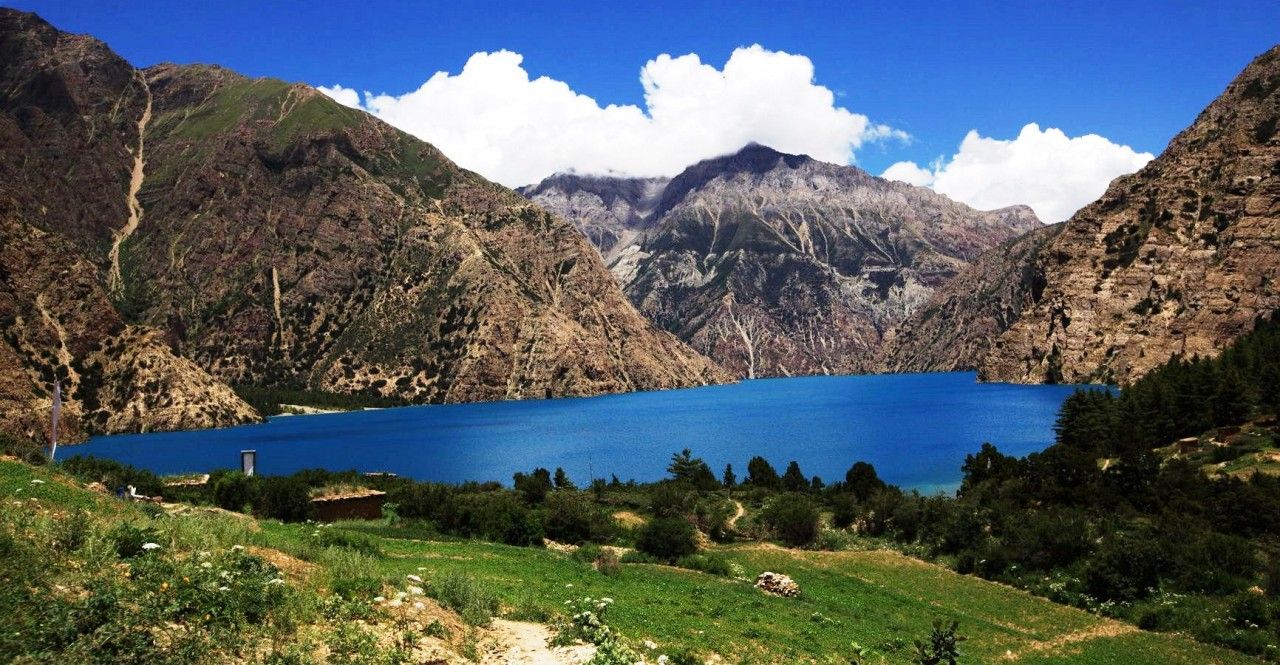
Although Nepal is a small country, it has a diverse geography with distinct features. Distinct regions and natural beauty attract many tourists from over the world. Shey Phoksundo is an alpine freshwater oligotrophic lake located at an elevation of 3,611.5 m (11,849 ft) in the Dolpa District. Dolpa is a treasure trove with amazing landscapes and villages practising the unique Tibetan cultures that date back to ancient times. They are the main highlights of Dolpo. The main highlight of Shey Phoksundo Trek is the gorgeous deep-blue and emerald hues of the deepest lake in Nepal, Shey Phoksundo Lake. The Dho Tarap and Phoksundo Lake Trek are meant for real adventurers waiting for an off-the-beaten-path camping experience. This rough and spectacular trekking will bring you to beautiful turquoise-coloured lakes, rushing rivers, and high passes. The Dolpo is also the homeland of some rare wildlife like the elusive snow leopard. Shey Phoksundo is considered a sacred lake. Hundreds of pilgrims visit this sacred lake annually to take a bath in its holy water. Shey Phoksundo National Park has many religious sites and gumbas. The most famous site is Shey Gumba, built during the 11th century.
Itinerary
Arrive in Kathmandu, meet your guide, and transfer to the hotel for rest and trek briefing.
Spend the day preparing for the trek, checking gear, and obtaining necessary permits.
Take a domestic flight to Nepalgunj, a gateway to the remote western region of Nepal.
Fly to Juphal and begin the trek along the Bheri River to reach Dunai, the district headquarters.
Follow the trail through picturesque villages and terraced farmlands towards Tarakot.
Gradually ascend along the Tarap River, passing through narrow gorges and lush landscapes.
Hike through rugged trails with stunning views of the surrounding Himalayan terrain.
Cross highland pastures and Tibetan-style settlements before reaching Do Tarap.
Spend the day resting and adjusting to the altitude, with optional short hikes.
Ascend towards the base of Numala Pass, surrounded by spectacular mountain views.
Cross the challenging Numala Pass and descend into the vast landscapes of Danigar.
Another high pass crossing, offering breathtaking views of the surrounding peaks.
Descend through pine forests to the mesmerizing turquoise waters of Shey Phoksundo Lake.
Spend the day exploring the pristine lake, its waterfalls, and surrounding Bon monasteries.
Descend along a lush forested trail, retracing the path towards lower altitudes.
Complete the trek by reaching Juphal, where the journey through Dolpo concludes.
Take an early morning flight to Nepalgunj and then connect to Kathmandu.
Transfer to the airport for your flight home, marking the end of your adventure.
Price
We have various pricing tiers at Belmont Adventure. Meaning, depending on your preference of comfort for the trip, you can select the pricing package accordingly.
Standard Package
$4950
3 Star rated hotel (B&B plan twin sharing basis) as per itinerary requirements
Meals (Breakfasts, Lunches, Dinners with hot drinks during the trek) & tea house accommodation during the trek
Licensed English speaking guide
Required number of guides, porters and crew as necessary for the route
Food, accommodation, salary, insurance, equipment and medicine for all staff of Belmont Adventure
Airfares including taxes as appropriate for internal flight transfer as part of trekking itinerary
Land transfers through private vehicle as appropriate for trekking itinerary
All necessary trekking permits & government taxes/fees
Official administrative expenses/Service charges
First Aid Kit (Necessary equipments for healthcare)
Insurance for Belmont Adventure staff
Down jacket and Duffle bag for minimal non-refundable borrow charge upon request (to be returned upon completion of trek)
Alcoholic beverages and soft drinks
Your own travel insurance
International airfare
Appropriate visa fees
Personal trekking equipment
Tip for trekking staff and drivers
Sightseeing/monument entrance fees for locations not in itinerary
Other personal expenses (eg. laundry)
Items not included on this list
Frequently Asked Questions
Everest Base Camp: A popular hike with amazing views of the Himalayas and a chance to experience Sherpa culture. Annapurna Circuit: Known for its diverse landscapes, from warm forests to high mountain deserts, and diverse cultures. Langtang Valley: Offers a quieter experience with beautiful valleys, glaciers and traditional Tamang villages. Upper Mustang: A remote, dry area with unique Tibetan culture and ancient cave homes. Gokyo Lake Trek: Known for its blue lakes and panoramic views of Everest and nearby mountains. Manaslu Circuit: A tough hike around Mount Manaslu, full of natural beauty and cultural history.
Spring (March to May): This period offers stable weather, warmer temperatures, and blooming rhododendrons and other flora. It is ideal for clear views and comfortable trekking conditions. Autumn (late September to November): This is considered the peak trekking season due to clear skies, moderate temperatures, and excellent mountain visibility after the monsoon rains.
Many popular treks like Everest Base Camp, Annapurna Base Camp, Annapurna Circuit, Langtang Valley, Upper Mustang, Gokyo Lake Trek, and Manaslu Circuit don't need previous trekking experience. However, they do require good physical fitness, endurance, and careful preparation. Beginners should work on their cardiovascular fitness by hiking and running. Choosing easy routes for beginners is important for a safe and manageable trek. Having the right gear, planning for acclimatization, and being mentally prepared are also key to completing these treks successfully.
Travel insurance is strongly recommended and often necessary for most trips because it helps cover unexpected expenses such as medical emergencies, trip cancellations, lost luggage, and emergency evacuations.
Most foreign nationals require a visa to enter Nepal, which can be conveniently obtained "on arrival" at Tribhuvan International Airport (Kathmandu) and at land-border entry points. Indian citizens do not require a visa to enter Nepal. Citizens of some SAARC countries—Bangladesh, Bhutan, Maldives, Pakistan, and Sri Lanka—are granted a 30-day visa-free entry. Visa fees payable in cash (USD) are typically structured as follows: 15 days for $30, 30 days for $50, and 90 days for $125.
For trekking in Nepal, you need a Trekkers’ Information Management System (TIMS) card for most routes. This permit lets authorities track trekkers for safety and environmental management. Some areas are Special Restricted Areas and need their own permits. These control access to sensitive zones, ensure conservation, and require guides when needed. Trekkers usually get permits from trekking agencies or designated offices in Nepal. Carrying these permits is mandatory. Without them, you may face fines or denied access.
Independent trekking is possible in many parts of Nepal. Although a 2023 regulation requires trekkers to have guides in certain restricted regions, such as Manaslu and Upper Mustang, this rule is not strictly enforced in popular trekking areas such as Everest, Annapurna, and Langtang. However, hiring a guide is strongly recommended for safety reasons and to enhance the overall success of the trip, as guides provide valuable local knowledge, logistical support, and emergency assistance.
Altitude sickness, also known as acute mountain sickness, refers to a group of symptoms that develop when the body struggles to adjust to reduced oxygen levels and lower air pressure at high elevations—typically above 3,500 meters (11,482 feet). The condition is usually triggered by ascending too quickly without adequate acclimatization. Common symptoms include headache, nausea, fatigue, and dizziness.
To prevent altitude sickness, ascend gradually and avoid gaining more than 700 m (2,300 ft) in elevation per day; if possible, limit daily ascents to below 500 m (1,650 ft). Rest days for acclimatization every 1,000 m (3,000 feet) gained. Stay hydrated by drinking 3–5 liters of water daily and avoiding alcohol. If the symptoms worsen, immediately descend to a lower altitude.
Teahouses are basic lodges or guesthouses along trekking routes, such as the Annapurna Circuit and Everest Base Camp. They offer simple rooms with basic amenities, and bathrooms may be shared or private. Hot water is limited, and the furniture is simple. Meals are a mix of local and Western dishes, with tea being the staple beverage.
Yes, Wi-Fi and mobile network connectivity are available during most treks in Nepal, but they are often unreliable, slow, and, at higher altitudes, quite expensive. While you can stay connected in most major villages and teahouses, you should not rely on having consistent access throughout your journey. In remote areas and at higher elevations, network coverage can be intermittent or entirely
Contact Us
Bouddha, Kathmandu, Nepal
9851082016
info@belmontadventure.com