Blogs
Five of the most popular attractions in Bhaktapur
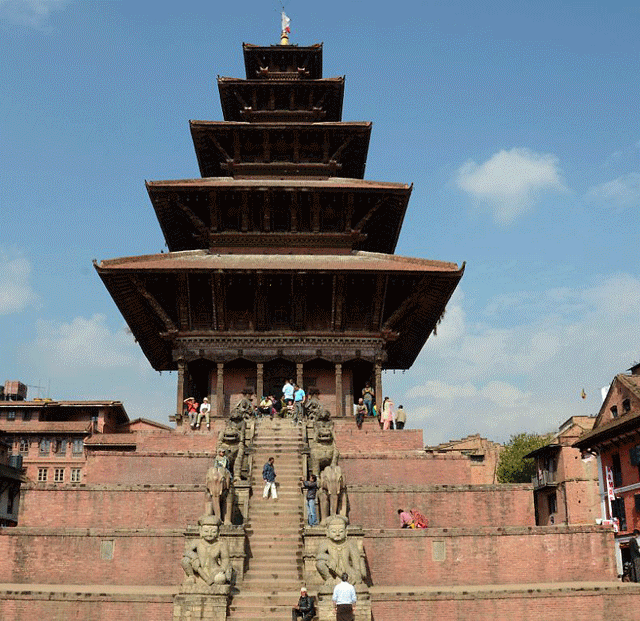
**1.Bhaktapur Durbar Square: **Bhaktapur Durbar Square a distinguished UNESCO World Heritage Site in Nepal, offers an extraordinary glimpse into 17th-century Newari art, architecture, and culture within its meticulously preserved open-air museum setting. At the heart of the square stands the 55-Window Palace, a 15th-century marvel renowned for its intricate wooden carvings and detailed windows, showcasing Newar craftsmanship. Towering over the skyline is the Nyatapola Temple, Nepal's tallest pagoda at approximately 30 meters, constructed in 1702 and dedicated to Goddess Siddhi Lakshmi. The Golden Gate, an exquisitely adorned entrance from 1754, ushers visitors into the palace courtyard, and the nearby Vatsala Temple and its famed "barking bell" contribute to the site's unique character. The earthquake-resistant Chyasalin Mandap pavilion and the adjacent Pottery Square, where traditional pottery is crafted and dried, further enrich the cultural landscape. Historically, the square served as the seat of power for the Malla kings from the 14th to the 18th centuries and remains a vibrant hub for festivals, music, and artisanal crafts. Despite the damage from the 1934 and 2015 earthquakes, ongoing restoration efforts have preserved its legacy. The square's layout connects several smaller squares filled with temples, traditional homes, and public resting places, inviting visitors to immerse themselves in Bhaktapur’s rich heritage. Entry fees vary by nationality, with tickets valid for multiple days upon registration, ensuring comprehensive access to this culturally significant area of the city.
2.The Nyatapola Temple: situated in Taumadhi Square in Bhaktapur, Nepal, is a notable five-tiered pagoda and the tallest temple in the nation, standing over 30 meters high. It was swiftly built in just six months from 1701 to 1702 under the sponsorship of King Bhupatindra Malla and is dedicated to the Hindu goddess Siddhi Lakshmi, whose statue is housed in its inner sanctum. Architecturally, the temple showcases tantric power through its five-story pagoda structure, featuring an impressive stone staircase flanked by pairs of symbolic statues—including wrestlers, elephants, lions, griffins, and goddesses—that grow stronger with each ascending level.
**3.The 55-Window Palace: **a masterpiece of Newari architecture, was constructed in the 17th century by King Bhupatindra Malla and is located in the Bhaktapur Durbar Square. The palace is renowned for its redbrick exterior and intricately carved wooden balconies. Its most notable feature is the 55 distinctively detailed latticed windows (Tikijhya), many of which are painted black and originate from an earlier structure built in 1427, showcasing remarkable craftsmanship that harmonized ventilation with privacy. As a UNESCO World Heritage site, the palace is adorned with elaborate woodwork, including carvings of Hindu deities, and is prominently situated next to the famous Golden Gate. Initially, it served as the royal residence for the Malla kings but sustained significant damage during the 1934 earthquake and was later restored to its original state. Today, it houses the National Art Gallery, which is open to the public during specific hours, allowing visitors to explore its interior collections, thereby preserving and promoting Nepal’s rich cultural heritage.
**4.The lively Pottery Square: **Located in Bhaktapur, Nepal, Pottery Square (Kumal Tole) serves as a dynamic open-air studio where the local Prajapati community has safeguarded age-old pottery methods for generations. This vibrant museum offers a distinctive cultural journey, displaying the full process of creating clay items, from molding pots on hand-operated wheels to sun-drying and firing them in large, traditional kilns. Nestled in the bustling Talakwa area, the square is centered around the Jetha Ganesh temple, providing visitors with the chance to interact with artisans and try their hand at pottery. The environment is engaging and colorful, with numerous clay products adorning the plaza, making it an ideal location for cultural and traditional photography. Additionally, tourists have the opportunity to purchase authentic handmade pottery and mementos from local sellers, which supports the preservation of Bhaktapur's rich artistic heritage and solidifies Pottery Square's role as an important cultural hub in the country.
5. Dattatreya Square: also known as Tachupal Tole, in Bhaktapur is a UNESCO World Heritage site that dates back to the 15th century and is often likened to an open-air museum due to its profound historical and cultural importance. At its center is the Dattatreya Temple, built in the 1420s by King Yaksha Malla and dedicated to the Hindu trinity of Brahma, Vishnu, and Shiva. It is said that the temple was constructed using wood from a single tree. Nearby, the Peacock Window at Pujari Math displays one of Nepal's finest wood carvings, showcasing the detailed craftsmanship of that period. The square also features a notable stone pillar with a statue of Garuda, Vishnu's divine vehicle, facing the temple. In addition, the Woodcarving and Brass & Bronze Museums preserve and exhibit the region's traditional artisan skills, unlike the busy main Durbar Square, Dattatreya Square is calm and has a true Newari feel. It has narrow streets with traditional shops, cafés, and handicrafts, which keep Bhaktapur's old charm alive. Wane Layeku site, often regarded as Bhaktapur's second Taleju temple, enriches the spiritual ambiance of this square.. As a hub for cultural, religious, and social events, the square remains central to the community's festivals and gatherings.
Contact Us
Bouddha, Kathmandu, Nepal
9851082016
info@belmontadventure.com