Blogs
How difficult is Everest Base Camp Trek? Your Top Concerns Addressed!
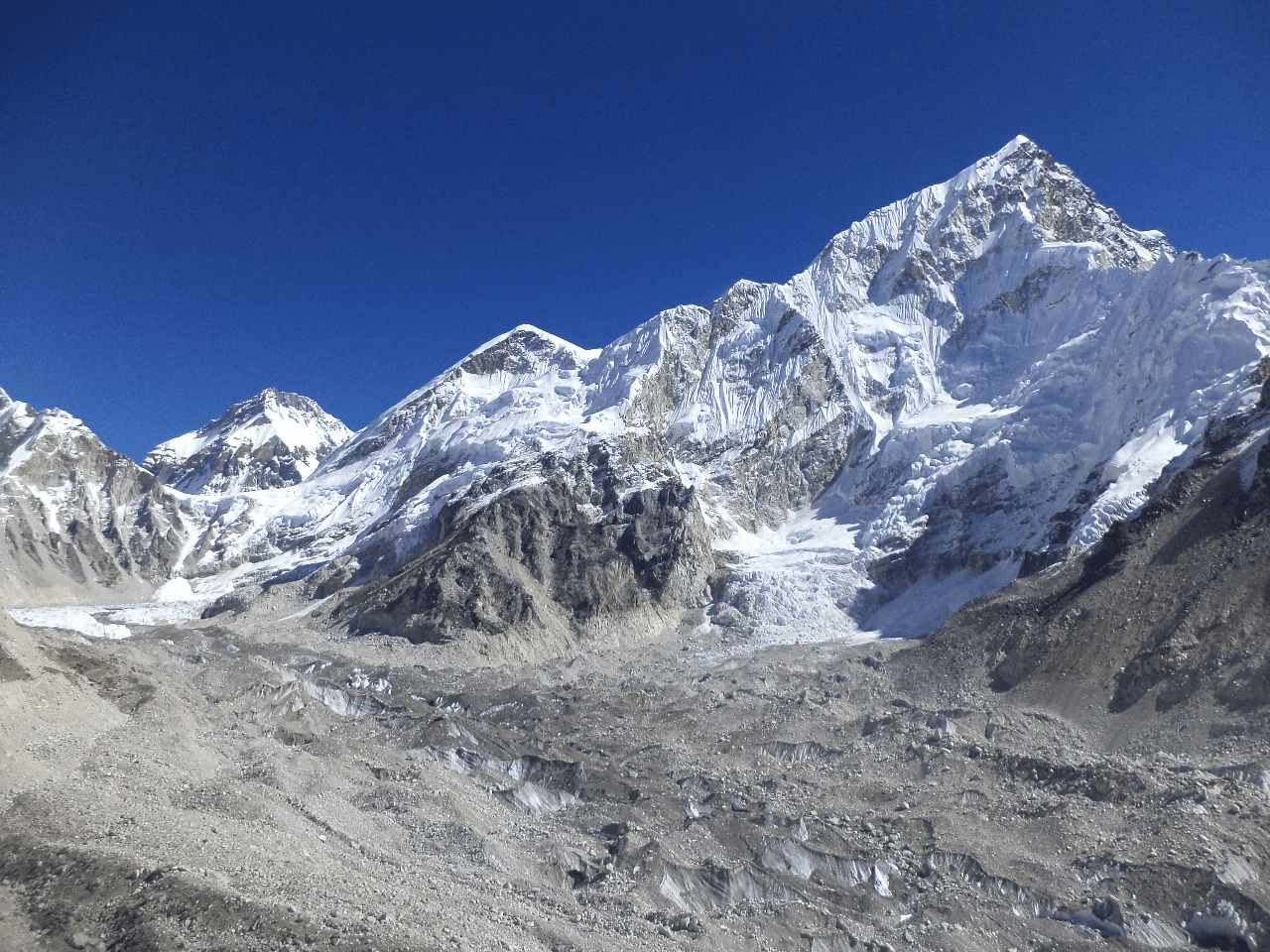
Can beginners do Everest Base Camp?
Yes, beginners can complete the Everest Base Camp trek, but it requires careful preparation and awareness of the challenges involved. The trek is physically demanding because of the high altitude, rugged terrain, and variable weather conditions. Key considerations for beginners include the following:
Physical Fitness: Building good cardiovascular endurance, strength, and stamina through regular exercise before the trek is essential.
Acclimatization: Proper acclimatization is critical to reduce the risk of altitude sickness. The itinerary usually includes rest days at even higher elevations.
Guided Support: Hiring an experienced guide or joining a reputable trekking group helps beginners navigate the route safely and manage logistics.
Gear and Supplies: Using appropriate trekking gear, including layered clothing, sturdy boots, and necessary equipment, ensures comfort and safety during the trek.
Health Precautions: Understanding the symptoms of altitude sickness, staying hydrated, and having access to medical support are important.
Mental Preparation: Being mentally prepared for long walking days and potential discomfort improves the overall experience.
How difficult is the Everest Base Camp Trek?
Duration and Distance: The trek typically spans 14-16 days, covering approximately 130 km (80 miles) round trip, requiring sustained physical endurance.
Terrain: The trails are mostly well-marked but involve steep ascents and descents, rocky paths, and sometimes uneven or slippery surfaces.
Weather: Conditions can be unpredictable, with cold temperatures, strong winds, and occasional snow, particularly at higher altitudes.
Physical Fitness: Moderate to good fitness is recommended. Prior trekking or hiking experience is helpful but not mandatory.
Logistics: The availability of guesthouses and teahouses eases accommodation and food access, which reduces the overall difficulty compared to more remote treks.
What about altitude sickness?
Altitude: The trek reaches an altitude of approximately 5,364 meters (17,598 feet) at the Everest Base Camp, which poses a risk of altitude sickness. Appropriate acclimatization days are essential to reduce this risk.
Physical Fitness: While technical climbing skills are required, the trek demands good cardiovascular fitness and endurance due to long daily walking hours (typically 4-7 hours) on uneven, steep, and rocky trails.
Terrain and Weather: The trail includes steep ascents and descents, narrow paths, and variable weather conditions that can be cold, windy, or snowy, particularly at higher elevations or during certain seasons.
What kind of accommodation is available?
Tea houses are the most common accommodation during the trek. These simple guesthouses have beds, shared or private rooms, and meals available.. Facilities vary but generally include heating, shared bathrooms, and Wi-Fi at some locations. Tea houses provide an authentic trekking experience and allow interaction with other trekkers.
In larger settlements, such as Namche Bazaar or Lukla, small hotels or guesthouses with better amenities, such as private bathrooms, hot showers, and more reliable Wi-Fi, can be found. These options are ideal for rest days or stays before and after the trek.
How long does the Everest Base Camp trek take?
The Everest Base Camp trek typically takes approximately 14–16 days to complete. This duration includes acclimatization days to help prevent altitude sickness, as well as the time needed for trekking from Lukla (the usual starting point) to the Base Camp and back. The itinerary often involves gradual altitude gain with rest days at key points, such as Namche Bazaar and Dingboche.
When is the best time to trek?
The best time to trek to the Everest Base Camp is during the pre-monsoon (spring) and post-monsoon (autumn) seasons.
Spring (March to May): This period offers warmer temperatures, clearer skies and blooming rhododendrons. It is ideal for those seeking pleasant weather and vibrant scenery.
Autumn (late September to November): This season features stable weather, excellent visibility of the mountains, and moderate temperatures in the region. It is considered the most popular trekking season because of the clear skies and dry conditions.
What about altitude sickness?
Ensure that you allocate enough days for acclimatization, considering both altitude gain and individual susceptibility to altitude sickness. Gradually ascend, ideally limiting your increase to 400–600 m per day once above 3,500 m. Maintain high hydration levels by aiming to consume 3–4 liters of water daily to aid physiological adaptation. Avoid drinking alcohol because it can worsen dehydration and slow down the process of getting used to new conditions.
Is there WiFi and electricity?
Electricity is available at the Everest Base Camp, primarily through solar panels and generators, but it can be limited and may incur additional costs. Charging electronic devices is generally possible but not guaranteed at all the teahouses or lodges along the trek.
WiFi access is available at some teahouses and lodges on the route, especially at higher-end or more frequently visited stops, including those near the Everest Base Camp. However, the connection can be slow and unreliable because of the remote location and limited infrastructure.
Travelers should be prepared for intermittent connectivity and limited power availability and consider bringing portable power banks or solar chargers with them.
Do I need a permit?
Yes, permits are required to trek to the Everest Base Camp in Nepal.
Sagarmatha National Park Entry Permit: Required for all trekkers entering Sagarmatha National Park, where the Everest Base Camp is located. This permit helps protect the natural environment of the park. TIMS Card (Trekkers’ Information Management System): Required for most trekkers in Nepal to ensure safety and monitor trekking activities. It is issued by the Nepal Tourism Board or by authorized trekking agencies.
Is travel insurance required?
Travel insurance is highly recommended for the Everest Base Camp trek, although it may not be legally required. This is essential because the trek involves high-altitude trekking, remote locations, and potential risks such as altitude sickness, injuries, weather-related delays, and evacuation emergencies. A comprehensive travel insurance policy should include the following:
Emergency medical treatment, including high-altitude sickness
Helicopter evacuation or rescue services
Trip cancellation or interruption
Lost or stolen belonging
What should I pack?
Clothing:
Base layers (thermal tops and bottoms)
Insulating mid-layers (fleece or down jacket)
Waterproof and windproof outer shell (jacket and pants)
Trekking pants and shorts
Moisture-wicking t-shirts
Warm hat and sun hat
Gloves (lightweight and insulated)
Trekking socks (multiple pairs)
Gaiters (optional, for snow/dust protection)
Footwear:
Sturdy, broken-in trekking boots (waterproof recommended)
Comfortable camp shoes or sandals
Backpacks and Accessories:
Daypack (20-30 liters) for daily essentials
Large duffel bag or main backpack (for porters or self-carry)
Sleeping bag (rated for at least -10°C to -15°C)
Sleeping bag liner (optional, for extra warmth)
Trekking poles
Health and Hygiene:
Personal medications and first aid kit (including altitude sickness meds if prescribed)
Sunscreen (high SPF)
Lip balm with SPF
Hand sanitizer and wet wipes
Toothbrush and toothpaste
Quick-dry towel
Electronics:
Headlamp with extra batteries
Power bank and charging cables
Camera or smartphone
Universal adapter (if needed)
Miscellaneous:
Water bottles or hydration bladder (minimum 2 liters capacity)
Water purification tablets or filter
Sunglasses (UV protection)
Snacks and energy bars
Travel documents, permits, and ID
Cash in local currency (Nepalese Rupees)
Notebook and pen (optional)
Optional but Recommended.
Lightweight down jacket for evenings
Thermal flask for hot drinks
Small lock for your bags
Dry bags or zip-lock bags to keep items dry
Contact Us
Bouddha, Kathmandu, Nepal
9851082016
info@belmontadventure.com